Dear You, Dear We
A few weeks ago, my wife and I went to watch the surprise-hit movie Dear You.
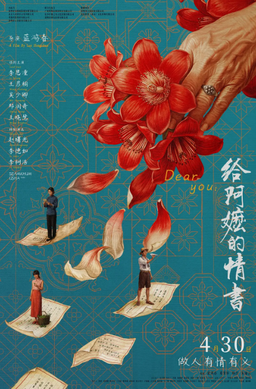
The movie is great: it really brought to life how the people of my grandparents’ generation lived. And it was lovely listening to Teochew spoken in the cinema! I grew up listening to my mother speaking Teochew to her family, especially her brothers and sisters during Chinese New Year, and there was a certain warmth to hearing terms that I grew up with (like ngou1 giah4, for kids, and zao2 giah4 for girls, which was talked about in the movie).
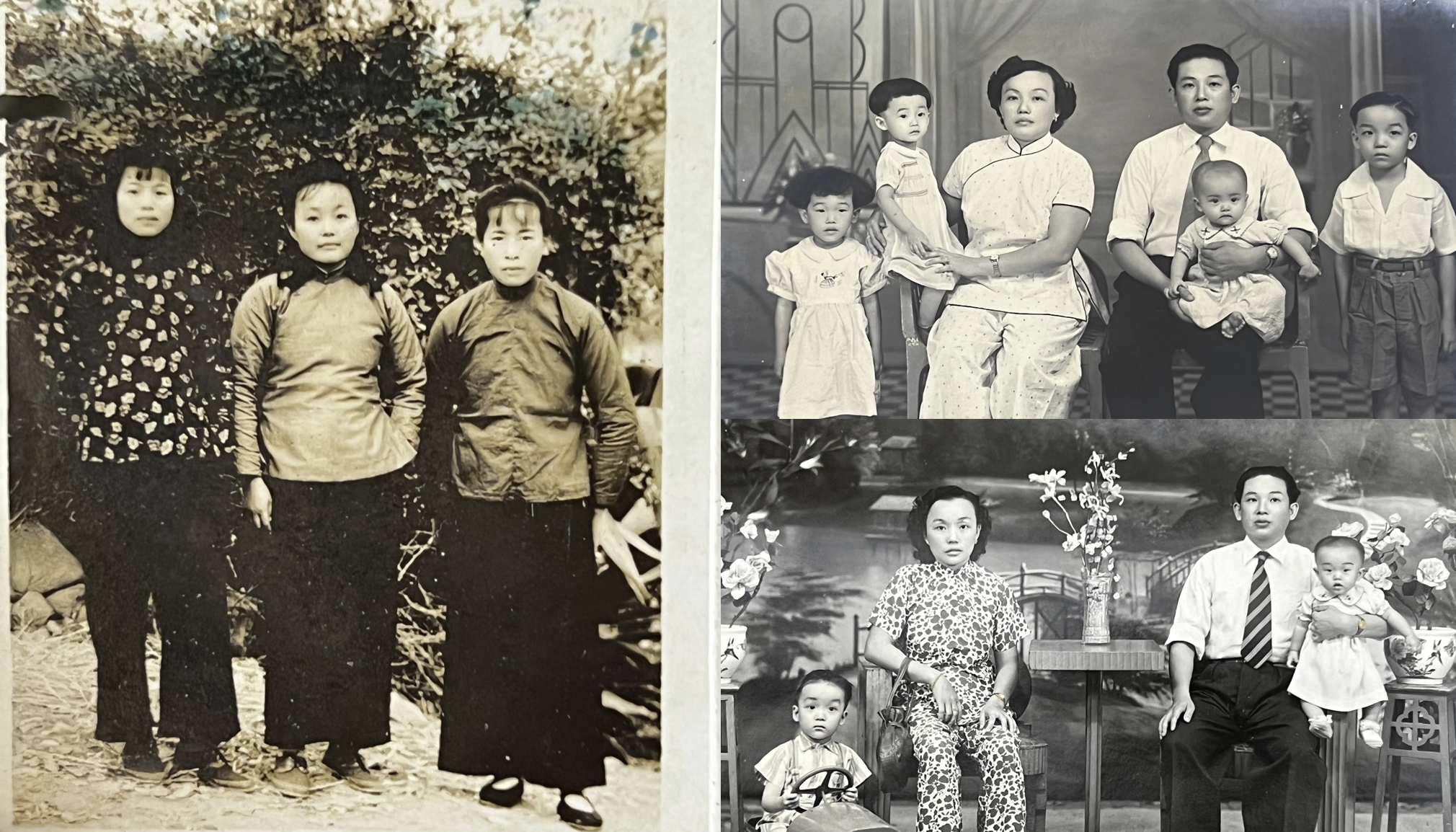
I suspected that the movie would also affect my father greatly, since he was born in 1948 and had come over to Singapore as a young child in 1950: my grandfather had come first to Singapore and Malaysia, exactly like the main protagonist grandfather-figure. My father often shared stories of how his father (i.e. my grandpa) would send money and food back home to his relatives. True enough, my mum reported that my father had cried a lot in the cinema, even though he is not Teochew, as many of the scenes shown really hit home.
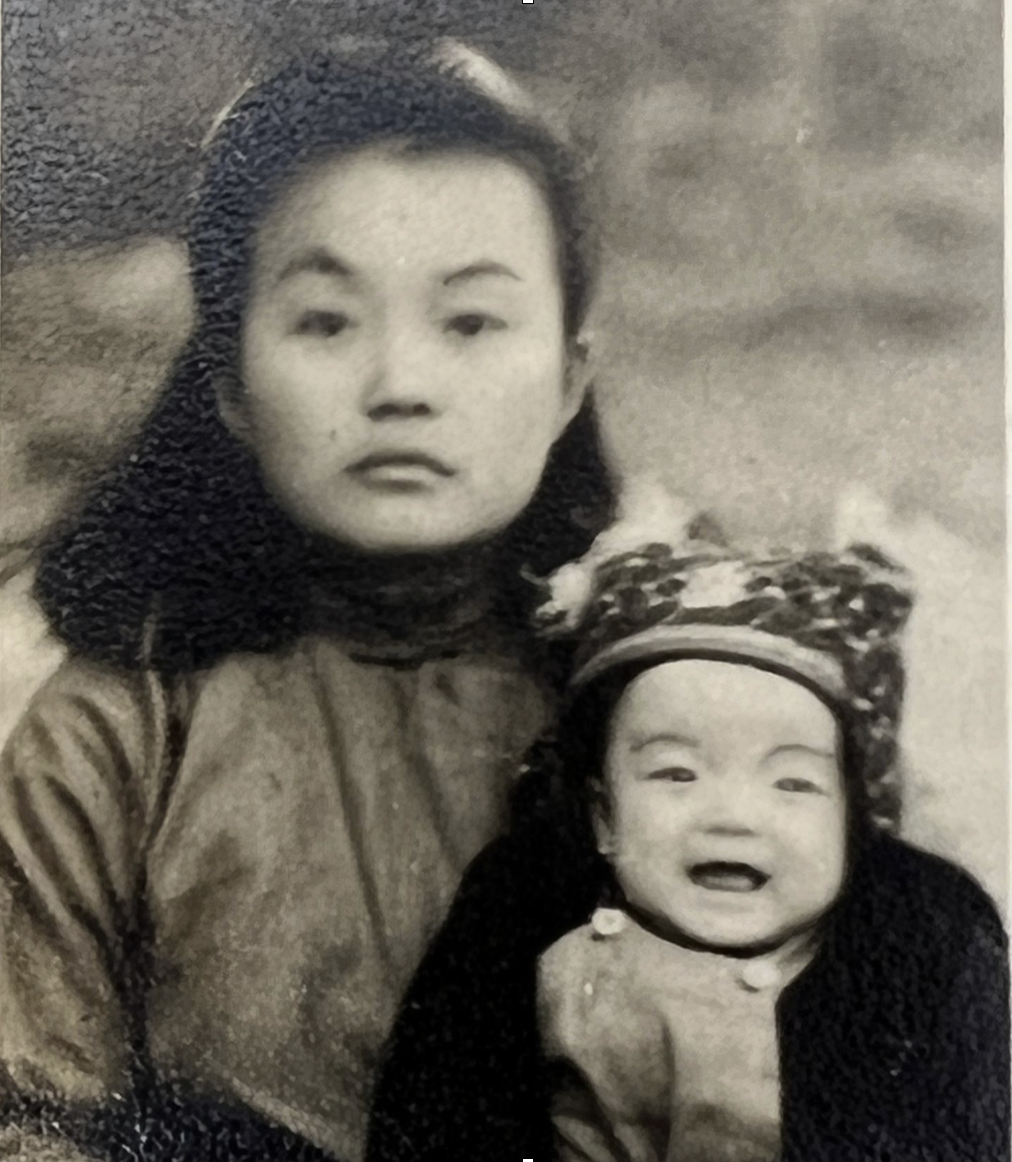 My father as a baby with my grandma, just before they came to Singapore
The Incident at Singapore’s First Friendly Street
Shortly after watching the movie, on Saturday 11 July, the wife and I brought my parents to have lunch at a French restaurant at Opera Estate. I dropped them off, then went to park our car nearby: the street I chose was Jalan Bintang Tiga, which I later found out was Singapore’s first Friendly Street. The irony of this will be come obvious.
As I drove along the street, there was no signs nor double yellow lines prohibiting the parking of cars. So I just found an empty space on the lane I was at, and parked the car, making sure (as I always do) that I was not blocking the road.
The lunch was really good, and as we walked back to the car, I saw a police vehicle in front of us, which was waved down by a bespectacled elderly Chinese gentleman around his 70s dressed in red. He was pointing at our car, and said he had called the police as “this car was blocking the road”.
I overheard and went forward to the car, and saw that another car had parked right next to mine, blocking the whole road. Interestingly, that other car was facing the same direction as mine, but on the other lane (i.e. it was actually going against the traffic flow).
Somehow, Mr. Red decided that I was at fault. He said to me “you cannot see that all the other cars are parked on one side of the road meh?” and when I tried to explain that there was no other car when I parked the car, he just dismissed me with “talk to the police”. Later, as he complained to the neighbours, it turned out that the other car belonged to a resident of the street.
The police officers (to their credit) were very professional and polite to me, and took down my details. The female sergeant was assertive, but noted that I didn’t break any law nor traffic rule. I was quite emphatic that I really didn’t do anything wrong, and that the other car was NOT there when I parked.
Just then, my mother came up from behind, and said something like “aiyo like that in future just put double yellow lines, simple!” to which Mr. Red said
but then next time my relatives come, then where will they park?
and then I also heard my father raising his voice… uh oh.
Just then, the female sergeant took control (thankfully) by saying “everyone get back in the car! We will talk to the drivers!!” I also got both my parents to get into the car and sit, as I realized they were extremely agitated, and it was not a good situation to be in.
Meantime, Mr. Red went around telling all his neighbours about “all these outsiders who don’t know”. I was quite pained, and kept repeating “that other car was NOT there when I parked”… and “you should put up a sign to notify people who don’t know better.”
But to no avail. “Singapore’s First Friendly Neighbourhood” , especially Mr. Red, was clearly against The Outsider.
Eventually, after the police reported back to their superiors, I was allowed to drive off, only to see that the very next street had their cars parked on both sides of the road.
This incident left my parents very agitated as they went for their next event, and I eventually had to distract them, even though I was (myself) quite agitated.
This wasn’t the first time that I have “othered” (i.e. treated with hostility as an outsider), but it was the first time this happened to me in Singapore. It’s not pleasant to be treated as a second-class citizen in your own land…
Singaporeans and The Other
Both incidents made me think and reflect about
- why did this incident happen, especially along “Singapore’s First Friendly Street”?
- what could this also be saying about society at large?
I was reminded of Jonathan Haidt’s book “The Righteous Mind”, where he made an observation that a big source of conflict has to do with how we draw the “we”. In this case, Jln Bintang Tiga clearly thinks anyone outside the street is not “we”; as a Buddhist practitioner, I don’t see them as different from me, but clearly they did. Basically, the main source of social conflict has to do with differing definitions of who is part of “we”. It makes me wonder if all our measures of strengthening our community might actually be increasing xenophobia and othering.
If you compare this with the movie “Dear You”, many Singaporeans’ attitude towards outsiders is, frankly, appalling. If their ancestors had arrived to Singapore now in this age, I think many Singaporeans would discriminate against the younger-versions of their ancestors. And I think this isn’t called out enough: how much racism and discrimination by Singaporeans, even though every Singaporean has pretty much non-Singaporean roots in their family tree. The double standard is just disgustingly striking.
My wife commented that Mr. Red felt threatened, and I think his feeling of threat is symptomatic of Singaporean society at large. The episode at Jalan Bintang Tiga is, in a way, an apt symbolism of how Singaporean society reacts to “outsiders”.
I don’t think I have any solutions, as this is a social issue.
But what I can do on my own, is to treat everybody, local and non-local alike, as though they are potential immigrant grandparents, just like my grandparents were, and treat them the way I would have liked my grandparents to have been treated.